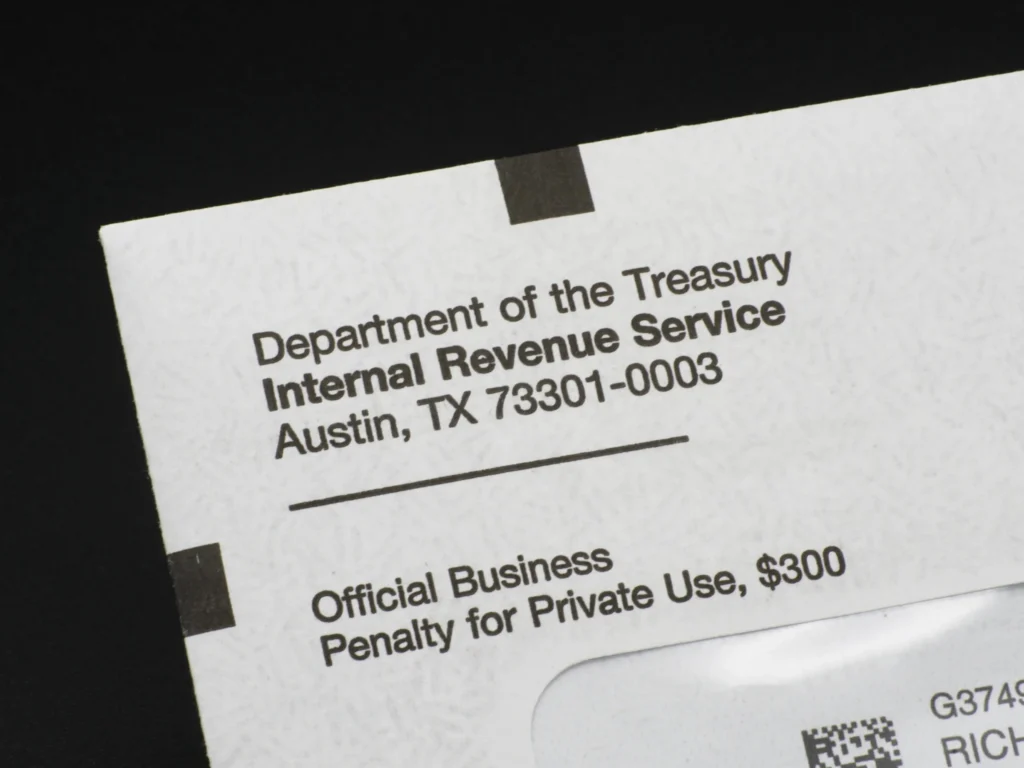
These days, it seems like the only letters that come via U.S. mail are junk flyers and credit card offers. That being said, there is one agency that still sends important information via hard copy mail and that’s the Internal Revenue Service (IRS). More often than not, letters or notices sent to you by the IRS are about federal tax returns or tax accounts. A notice may reference changes to a taxpayer’s account, taxes owed, a payment request, or a specific issue on a tax return or credit. Here are a few tips the IRS recently released about the mail it sends.
First, review the information. No matter whether you think the information contained in the letter is accurate or not, it is very important you open any mail you receive from the IRS and read it carefully! Oftentimes, the mail is simply about a changed or corrected tax return that requires no action on the part of the taxpayer. That being said, you should still review the information for accuracy and if it does need correcting, notify the IRS of the correct (or incorrect) information.
Reply only if needed. Taxpayers may not necessarily need to reply to a mailed IRS notice unless specifically told to do so. If you need to call the IRS, you can do so using the number in the upper right-hand corner of the notice and have a copy of their tax return and letter.
Take any requested action. If the IRS is asking for additional information, you want to make sure you comply with their request. They may be asking for you to make a payment. And if that’s the case, you should respond as soon as possible or consult with an experienced tax attorney or professional. The longer you delay on making a payment, the more interest and penalty payments may incur. The IRS and its debt collection agencies send payment requests by mail. If you’re not sure if something you receive is legitimate, taxpayers can view digital copies of select IRS notices by logging into their IRS Online Account. This is a great way to verify authenticity.
Dispute if necessary. If there is something in the IRS’ letter that you do not agree with, follow the instructions in the notice to dispute the information. You will want to include information and documents for the IRS to review when considering the dispute. Remember to act on the dispute quickly to avoid penalty charges and interest if you owe back taxes.
Keep the letter for your records. Always keep notices or letters you receive from the IRS for three years from the date the tax return was filed. These include adjustment notices, information notices, or requests. These records can be very helpful to your tax attorney or professional should you need assistance with dealing with the IRS.
Finally, watch for scams! The first contact from the IRS usually comes in the mail. But there are many seedy people out there trying to scam taxpayers and they will ask you for personal, financial, employment information and money. Remember, the IRS will never contact a taxpayer using social media. Watch out for scammers posing as the IRS sending you letters to pay “now or else,” or threaten arrest or deportation. The IRS does not engage with taxpayers in that way. Additionally, be wary of odd or misspelled web links contained in letters. When in doubt, you can always call the IRS to verify a notice’s authenticity.
Remember that the IRS will always send notices to taxpayers via the U.S. Postal Service. So be sure to check your mailboxes and review any and all notices sent to you from the IRS. Respond to any notices as quickly as possible; and if no response is needed, save the letter for your files. And it’s always a good idea to share any and all IRS notices you receive with your tax attorney or experienced tax professional.
Allison Soares is a partner and tax attorney at Vanst Law LLP. It doesn’t matter the issue: audits, collections, appeals, international disclosures, grumpy people— Allison enjoys fixing problems. In addition to her legal work, she has worked in accounting and utilizes that knowledge to her advantage while handling cases involving EDD audits from San Francisco to San Diego.


